The Distinction
Objects vs. Situations
Most creative direction produces things: logos, campaigns, packaging, layouts. Those things communicate. Experiential creative direction produces situations: rooms you walk into, events you attend, spaces where something happens to you. The difference matters because people form belief through experience, not through seeing. A film that moves you changes you in ways a billboard cannot. Experiential work operates in that territory.
The Approach
Recognition, Not Persuasion
The best experiential work doesn't try to convince people of anything. It identifies what a community already believes and builds the physical environment that reflects those beliefs back. People walk into a space and feel recognized rather than marketed to. That shift, from persuasion to recognition, is what separates experiential work that creates loyalty from experiential work that creates impressions. Impressions fade. Recognition compounds.
In Practice
Three Projects, One Principle
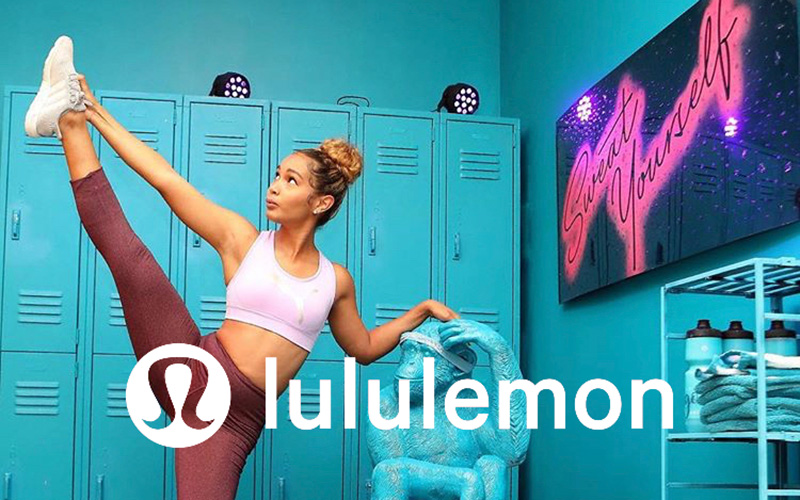
At Lululemon, the experiential work translated community philosophy into physical space and programming at their 20-year mark: every touchpoint designed to reflect the belief system already held by the people who showed up. At Saks Fifth Avenue, the experiential repositioning treated the iconic 5th Avenue windows as a cultural stage and the store itself as a destination for tastemakers rather than a museum of luxury. At Good Luck Dry Cleaners, the entire model was experiential: five NYC retail destinations built as cultural hubs, where events and programming gave people a reason to return that had nothing to do with buying anything. In each case, the design question was the same: what does this community already believe, and what is the room that belief deserves?


