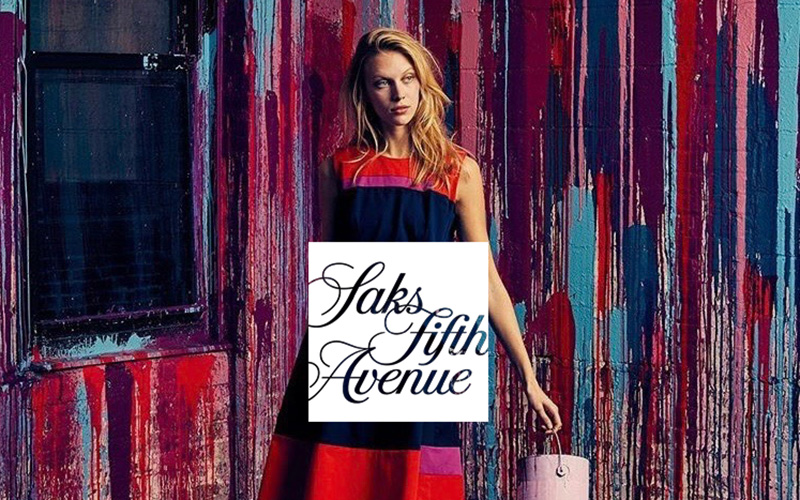
Saks Fifth Avenue brand repositioning by Jeremy Penn — cultural curator strategy

02 / 05

Saks Fifth
Avenue

Brand Repositioning · Luxury Retail · Cultural Strategy

Turned a legacy luxury retailer into a cultural institution.

Client

Saks Fifth Avenue

Discipline

Brand Repositioning, Visual Identity

Focus

Cultural Strategy, Luxury Retail

Director

Jeremy Penn

Quick Take

Saks Fifth Avenue had institutional credibility that newer luxury brands couldn't manufacture — but they weren't using it. Jeremy Penn repositioned Saks as a cultural curator first, retailer second, developing a complete visual and narrative identity that felt like the epicenter of culture rather than a museum of it. Disciplines: brand repositioning, visual identity, cultural strategy.

The Opportunity

Saks Fifth Avenue had built an iconic legacy in luxury retail, but faced an identity crisis in a rapidly evolving market. Younger consumers saw them as prestigious but disconnected from contemporary culture. The real opportunity: Saks had something competitors didn't — institutional credibility, heritage, and access to cultural moments. They needed to reposition from "luxury retailer" to "cultural curator."

The Challenge

Reposition Saks Fifth Avenue as a high-end cultural authority that could speak to both legacy customers and emerging cultural leaders. Balance sophistication with accessibility. Create a brand narrative that felt earned, not desperate. Make them feel like the epicenter of culture, not a museum.

The Approach

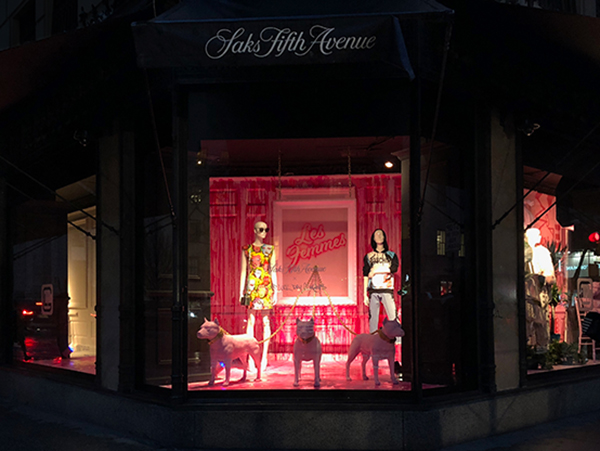
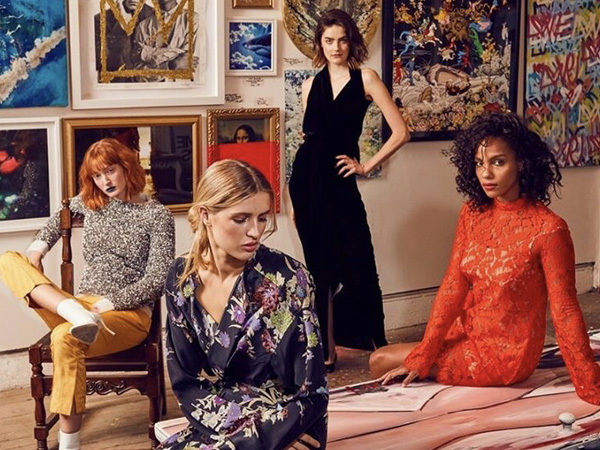
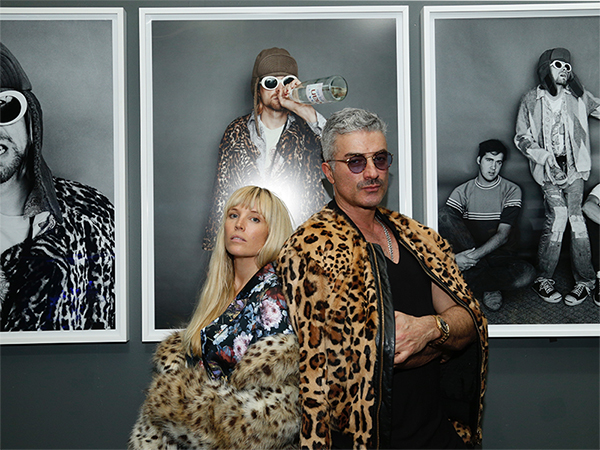
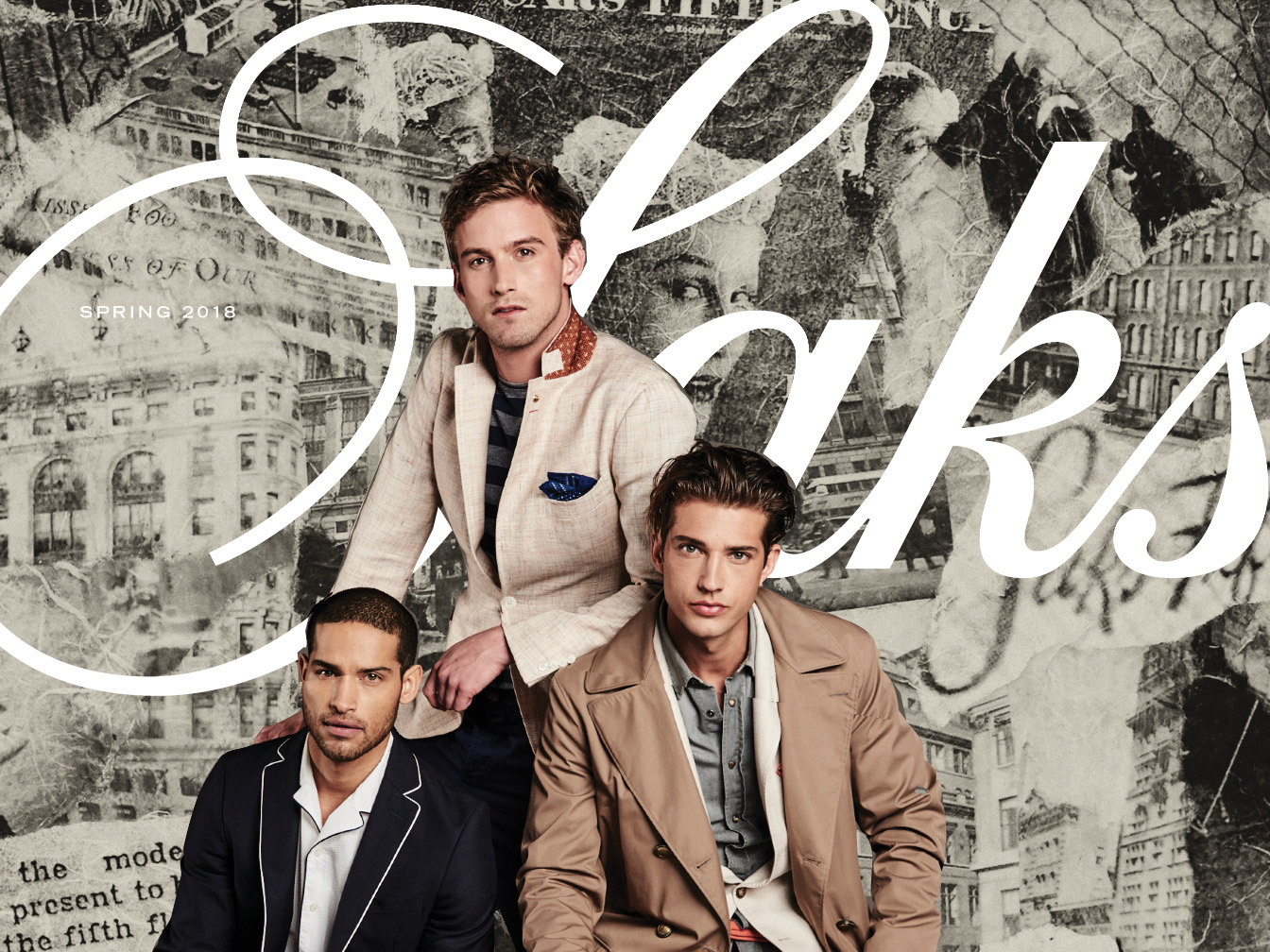
We started by mapping Saks' actual cultural touchpoints — their real assets. The iconic 5th Avenue windows as a stage for artists. The basement speakeasy vibe. Their fashion book tradition. Their ability to bring together artists, designers, and tastemakers. We developed a complete visual and narrative identity that positioned Saks as a cultural brand first, retailer second. Bold, contemporary, unapologetically cultural — NYC street culture meets luxury refinement.

About This Project

What did Jeremy Penn do for Saks Fifth Avenue?

Jeremy Penn developed a complete brand repositioning for Saks Fifth Avenue, creating a visual and narrative identity that positioned Saks as a cultural curator rather than a luxury retailer. He mapped Saks' existing cultural assets — the iconic 5th Avenue windows, their ability to convene artists and tastemakers — and built brand expression around cultural authority rather than retail prestige.

How did Saks Fifth Avenue reposition its brand for a younger audience?

Saks repositioned by amplifying its existing cultural assets rather than chasing trends. The strategy identified that Saks had institutional credibility and access that younger luxury brands couldn't manufacture. The repositioning framed Saks as the epicenter of culture — bold, contemporary, unapologetically NYC — without abandoning the heritage that made it credible.

How did Jeremy Penn balance luxury heritage with contemporary relevance?

Rather than abandoning heritage or chasing trends, Jeremy Penn built the Saks strategy at the intersection of NYC street culture and luxury refinement. Institutional credibility was treated as a cultural asset — something contemporary brands couldn't manufacture. The visual identity felt bold and current while remaining authentically Saks.

More Work

Lululemon brand repositioning case study, Jeremy Penn

01

Lululemon

Ed Hardy brand revival case study, Jeremy Penn

03

Ed Hardy

Good Luck Dry Cleaners cultural retail concept case study, Jeremy Penn

04

Good Luck Dry Cleaners

Degen Arcade gamification engine case study, Jeremy Penn

05

Degen Arcade

An idea isn't finished
until someone feels it.

Senior Creative Director · New York

Get in Touch