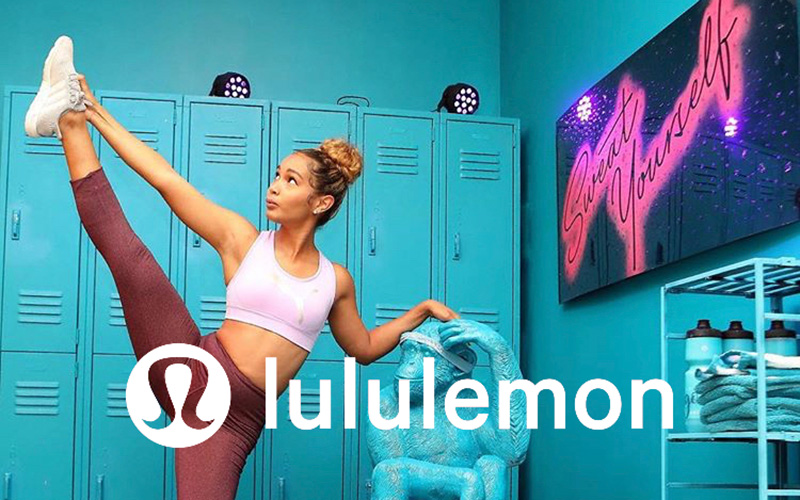
Lululemon brand experience design by Jeremy Penn — community-driven repositioning

01 / 05

Lululemon

Brand Strategy · Experiential Design · Community Building

Transformed Lululemon's ethos into experience at their 20-year mark.

Client

Lululemon Athletica

Discipline

Brand Strategy, Experiential Design

Focus

Community Building, Brand Repositioning

Director

Jeremy Penn

Quick Take

At Lululemon's 20-year mark, the market had caught up — wellness and athleisure were everywhere. Jeremy Penn repositioned the brand by identifying that customers weren't buying athletic wear. They were buying a philosophy. The repositioning succeeded because it was excavated from genuine community devotion, not invented from scratch. Disciplines: brand strategy, experiential design, community building.

The Opportunity

At their 20-year mark, Lululemon faced the problem every successful brand eventually confronts: the market had caught up. Wellness was everywhere. Athleisure was everywhere. And when everything looks like you, the danger isn't losing customers — it's losing meaning. The opportunity was hiding in plain sight. Lululemon had something most brands spend decades trying to manufacture: a genuinely devoted community.

The Challenge

How do you translate authentic community devotion into a brand position that feels earned rather than extracted? How do you elevate without alienating? How do you write a manifesto for people who already know what they believe, without telling them what to believe? That's the line we had to walk. High-end but accessible. Confident but not prescriptive.

The Approach

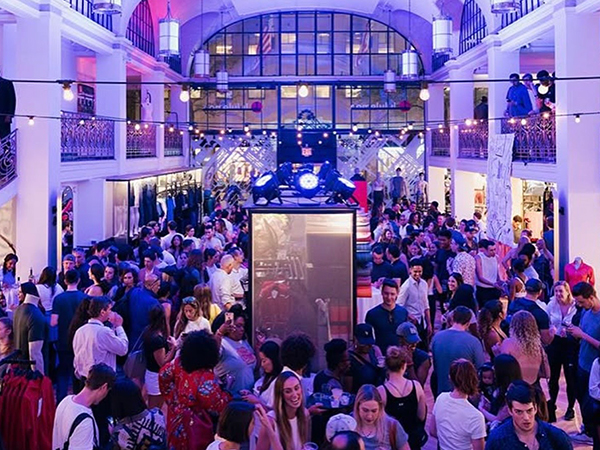
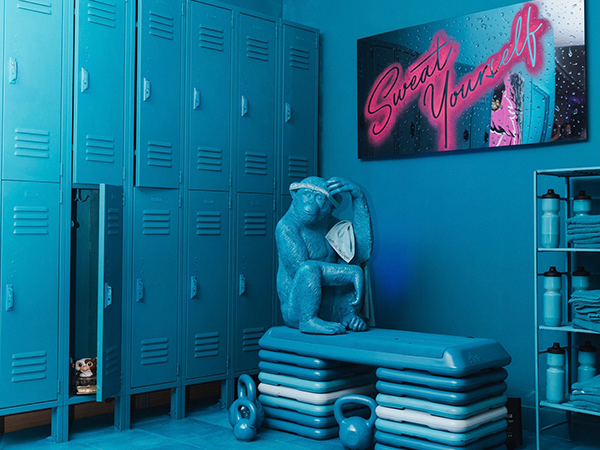
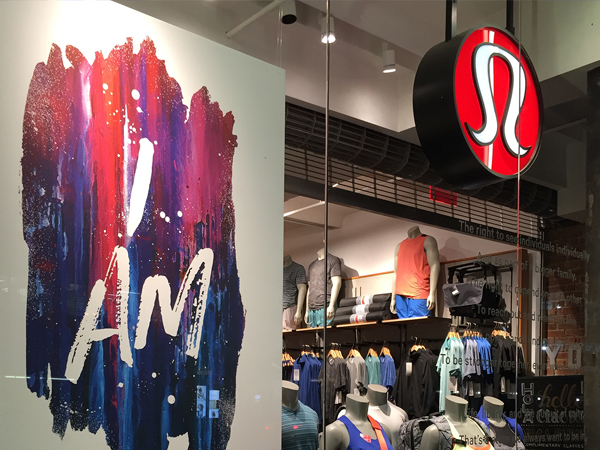
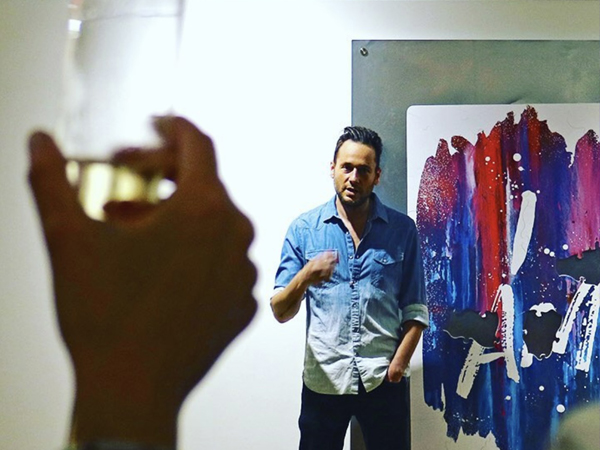
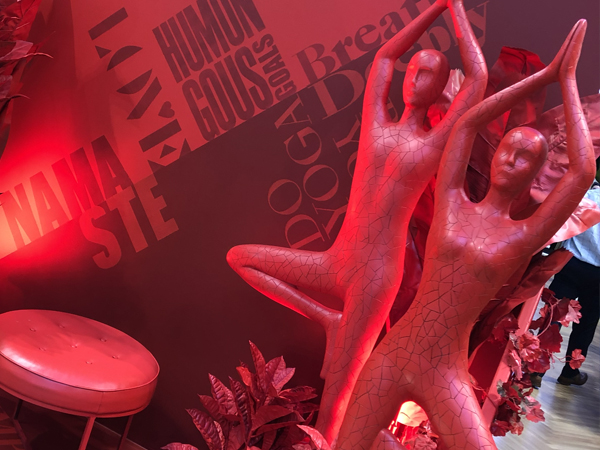
I started where most brands don't: with listening. Before any strategy, I spent time inside Lululemon's community — not to validate assumptions, but to understand what the brand actually meant to people's lives. What emerged wasn't surprising in hindsight, but it was clarifying: people weren't buying athletic wear. They were buying a philosophy. So we made it explicit. Every touchpoint — physical spaces, programming, events, and language — was designed to reflect that philosophy back to the community. The repositioning landed because it wasn't invented. It was excavated.

About This Project

What did Jeremy Penn do for Lululemon?

Jeremy Penn led brand repositioning for Lululemon at their 20-year mark through strategy, experiential design, and community building. He identified that Lululemon customers weren't buying athletic wear — they were buying a philosophy — and built every brand touchpoint to make that philosophy explicit. Physical spaces, programming, events, and language were all designed to reflect the community's values back to them.

How did Lululemon differentiate in the crowded athleisure market?

Rather than competing on product features in a crowded athleisure market, Lululemon differentiated by repositioning as a philosophy brand. The strategy excavated their genuine community devotion — something competitors couldn't manufacture — and built brand expression around that devotion. High-end but accessible. Confident but not prescriptive.

What is Jeremy Penn's approach to brand repositioning?

Jeremy Penn starts with listening rather than validating assumptions. He spends time inside a brand's community to understand what the brand actually means to people's lives before developing strategy. His core principle: excavate what's real rather than invent what's marketable. This approach produced repositioning that felt earned because it was grounded in existing community truth.

More Work

Saks Fifth Avenue brand strategy case study, Jeremy Penn

02

Saks Fifth Avenue

Ed Hardy brand revival case study, Jeremy Penn

03

Ed Hardy

Good Luck Dry Cleaners cultural retail concept case study, Jeremy Penn

04

Good Luck Dry Cleaners

Degen Arcade gamification engine case study, Jeremy Penn

05

Degen Arcade

An idea isn't finished
until someone feels it.

Senior Creative Director · New York

Get in Touch