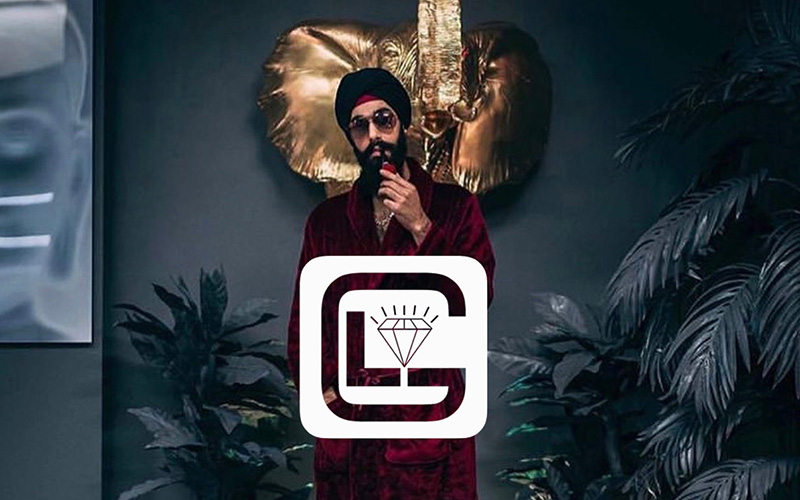
Good Luck Dry Cleaners brand activation NYC, cultural programming by Jeremy Penn

Perspective

Brand
Activation

Experiential Design · Cultural Programming · Brand Strategy

Proof of brand position, not interruption of it.

Author

Jeremy Penn

Discipline

Brand Activation

Case Studies

Good Luck Dry Cleaners, Saks Fifth Avenue, Ed Hardy

Studio

Jeremy Penn Creative Studio

What It Is

Brand activation is the practice of bringing brand strategy to life through direct engagement: events, experiences, installations, and interactions that put a brand's values in physical form and give an audience something to participate in rather than observe. The distinction from advertising is presence. Activation requires being somewhere, doing something, alongside the people you're trying to reach.

Events With Logos

Most brand activations are events with logos on them. A concert where the brand's name appears on every surface. A pop-up that sells limited product in a decorated container. An experience that could be swapped out for any other brand without changing what happened. These produce impressions but not belief. People attend, take photos, and leave with no stronger sense of what the brand actually stands for than before they arrived. The logo was there. The brand was not.

Something the Community Would Have Done Anyway

The standard for activation is that the community should feel like they would have done this without the brand — and be glad the brand made it possible. That requires understanding what the community already cares about, then designing an event or experience that lives inside that interest rather than interrupting it. When the brand is in the right place, doing something genuinely useful or meaningful, people remember the experience first and the brand second. That's the right order.

Three Approaches to the Same Problem

At Good Luck Dry Cleaners, activation was the operating model: five NYC locations as cultural stages where brands including Saks, Lululemon, Maxim, Getty Images, and CBGB earned entry through cultural credibility rather than paid placement. Brands that wanted access had to bring something worth attending — the space set the standard, not the other way around. At Saks Fifth Avenue, the activation work repositioned the iconic 5th Avenue windows from retail display to cultural stage, giving artists and tastemakers a platform that positioned Saks as a curator rather than a retailer. At Ed Hardy, the Too Soon campaign was itself an activation: a public acknowledgment of the brand's chaotic history reframed as punk provocation, designed to remind the culture what made Ed Hardy dangerous before it became a punchline. In each case, the activation worked because it was in service of the community's interests, not just the brand's visibility.

About Brand Activation

What is brand activation?

Brand activation is the practice of bringing brand strategy to life through direct engagement: events, experiences, installations, and interactions that put a brand's values in physical form and give an audience something to participate in rather than observe. The distinction from advertising is presence: activation requires being somewhere, doing something, alongside the people you're trying to reach.

How does Jeremy Penn approach brand activation?

Jeremy Penn treats activation as proof of brand position rather than interruption of it. An activation should feel like something the community would have done anyway — an event or cultural moment the brand made possible without making about itself. When it works, people remember the experience first and the brand second, which is exactly the right order. See also: Experiential Creative Direction, Cultural Retail Strategy.

What brand activations has Jeremy Penn led?

Jeremy Penn has led brand activations at Good Luck Dry Cleaners (cultural programming across five NYC locations), Saks Fifth Avenue (repositioning the 5th Avenue windows as a cultural stage), and Ed Hardy (the Too Soon campaign). He has also led activations for Hugo Boss, Red Bull, American Express, Maxim, Tommy Hilfiger, and Universal Music Group.

Related Work

Good Luck Dry Cleaners cultural retail concept case study, Jeremy Penn

04

Good Luck Dry Cleaners

Saks Fifth Avenue brand strategy case study, Jeremy Penn

02

Saks Fifth Avenue

Ed Hardy brand revival case study, Jeremy Penn

03

Ed Hardy

An idea isn't finished
until someone feels it.

Senior Creative Director · New York

Get in Touch