The Discipline
Translation, Not Decoration
Creative direction is translation work. The source material is strategy: what a brand stands for, who it is for, what it needs to communicate. The output is form: the visual language, spatial decisions, editorial voice, and campaign logic that carry that strategy into the world. Bad creative direction decorates strategy without translating it. Good creative direction makes strategy physical, something you can see, enter, hold, or remember long after the campaign is over.
The Standard
Inevitable, Not Clever
The standard for creative direction is inevitability. When a campaign, identity, or space is working, it should feel like the only possible version of itself, not one clever option among several. If it requires explanation, it hasn't landed. If it could belong to another brand, it isn't finished. The goal is work so precisely calibrated to a brand's actual position that removing it would leave a visible gap.
In Practice
20 Years Across Categories
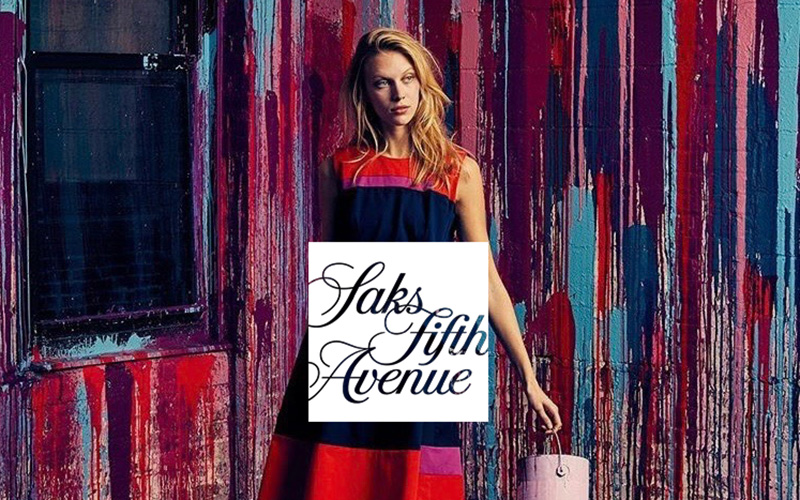
Twenty years of creative direction across luxury, lifestyle, technology, and culture. At Saks Fifth Avenue, the creative direction repositioned an iconic retailer as a cultural institution, building visual identity and brand narrative around what Saks already had that competitors couldn't manufacture. At Ed Hardy, it reclaimed the original tattoo-art voltage beneath a brand that had been diluted into a cultural punchline and rebuilt it on raw mythology rather than apology. At Lululemon, it translated community philosophy into physical space and language at the brand's 20-year mark. Across Hugo Boss, Tommy Hilfiger, Maxim, Red Bull, American Express, and others, the creative question was always the same: what does this brand actually mean, and what is the visual language that makes that meaning impossible to miss?


